
This is a collaborative post
Welcoming a new baby into the house is always going to be a period of adjustment and one of the major challenges that parents tend to face early and for some time is helping their baby find their sleep schedule. This can be done much more easily with the help of the right sleeping space, too. As such, here, we’re going to look at what it takes to set up that space just right to meet their needs.

Placement Matters
When you’re designing the space in the room, you have to think about where to put the crib, first and foremost. Location can greatly affect how your baby sleeps. The best place to choose is the quiet corner of the room. This is typically the spot furthest away from the windows, doors, or any areas where people are likely to pass. You also want to keep the crib away from any cords or heaters, for safety’s sake first and foremost.
Picking the Right Crib
You do not necessarily need a fancy crib equipped with all manner of bells and whistles to ensure a good sleep for your baby. Choosing one that is certified safe is the most important choice. After that, you typically want to consider the size more than anything. A small size crib tends to be the best, initially. You want to make sure that your baby doesn’t have too much room for them to turn around and get twisted in. As they get older, you might want one that can be lowered so that they’re not able to climb out, as well.
Picking The Right Bedding
The bedding you choose for your baby is just as important as the crib itself. Soft, breathable materials are essential to ensure your baby’s comfort and safety. Natural fibers such as cotton are often recommended, as they allow air to circulate and help regulate your baby’s body temperature, preventing overheating. The bedding should be snug-fitting and flat, with no loose blankets, pillows, or stuffed animals, which can pose a suffocation risk. A fitted sheet over a firm mattress is all your baby needs for a safe and comfortable night’s sleep.
Somewhere to Sit with Them
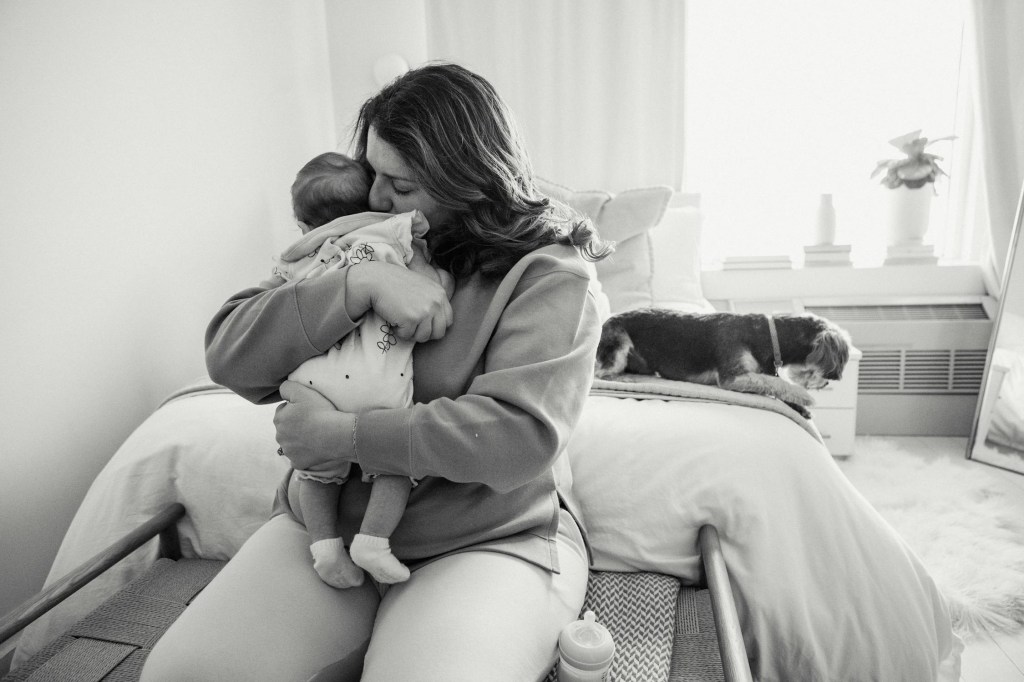
There are times that you’re going to have to come in and sit with your baby, whether to feed them at the scheduled time or to soothe them back to sleep when they wake up in the middle of the night. Choosing a comfortable and practical rocking chair can be a godsend, offering you a place to help provide the gentle motion that can ease them back to sleep. You have to make sure it offers good ergonomics as well, as you might be sitting there for a while, some nights, and you don’t want to add back pain to your list of woes.
Keep the Room Ventilated
Proper ventilation is key to maintaining a healthy sleep environment for your baby. A well-ventilated room ensures that fresh air circulates, helping to regulate the temperature and prevent stuffiness. Good air circulation can also reduce the risk of Sudden Infant Death Syndrome (SIDS). However, it’s important to strike a balance; the room should not be too drafty, nor should it become overly warm. Use fans or open windows to keep the air moving, but ensure that the crib is positioned away from direct drafts.
Use Soft, Dimmable Lighting
Lighting plays a crucial role in your baby’s sleep environment. Soft, dimmable lighting is ideal for creating a calm and soothing atmosphere that encourages sleep. Bright lights can be too stimulating for a baby, making it difficult for them to wind down. Instead, opt for a lamp with a dimmer switch, allowing you to adjust the brightness according to your baby’s needs. You can use brighter light during bedtime routines, such as changing diapers or reading stories, and then gradually dim the light as you approach sleep time. This gradual reduction in light mimics the natural setting of the sun, signaling to your baby that it is time to sleep.
Add Blackout Curtains or Blinds
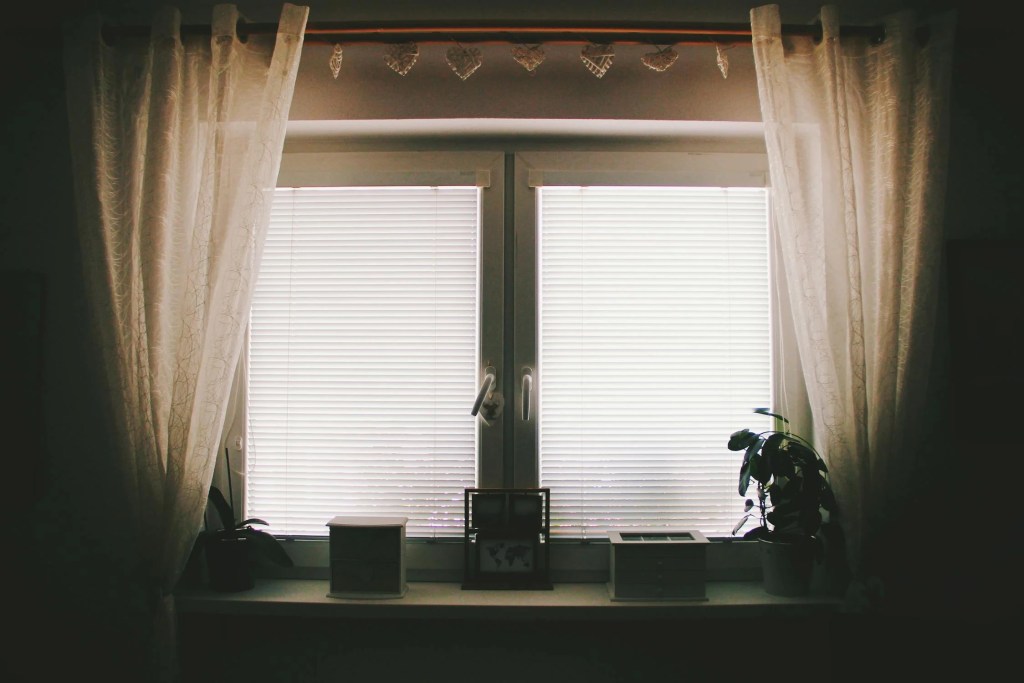
To further optimize the sleep environment, consider adding blackout curtains or blinds to the windows. These are particularly useful for blocking out external light that could disrupt your baby’s sleep, especially during the early morning or in the evening when the sun is still up. Babies are sensitive to light, and even a small amount of sunlight can interfere with their sleep patterns. Blackout curtains ensure that the room stays dark, helping your baby to sleep longer and more soundly. They can also reduce noise from outside, contributing to a quieter sleep environment.
Consider a White Noise Device
A white noise device can be a valuable addition to your baby’s sleep environment. These devices produce consistent background noise that can mask other sounds that might wake your baby, such as traffic, barking dogs, or household noises. White noise mimics the sound of the womb, which can be comforting to newborns and help them feel secure as they transition to sleeping outside the womb. It can also aid in blocking out sudden noises that might startle your baby awake. When selecting a white noise machine, choose one with a variety of sound options and volume control, so you can find the right setting that soothes your baby without being too loud.
Make it a No-Screen Space
To create a truly restful environment for your baby, it’s important to make their room a no-screen zone. This means avoiding screens of any kind, including televisions, tablets, and smartphones. The blue light emitted by screens can interfere with your baby’s circadian rhythms, making it harder for them to fall asleep. Additionally, the presence of screens in the room can be distracting and overstimulating, preventing your baby from settling down. LED lights, including those on electronic devices or toys, should also be avoided as they can create visual stimulation that keeps your baby awake.
You need more than just the right space to help your baby maintain a reasonable sleep schedule. It takes patience, discipline, and avoiding some bad habits. However, following the steps above to create the right environment for bedtime can help a lot.
 Fraser’s Fun House
One thought on “Creating The Perfect Sleeping Space For Your Baby”